


أثر | Athar
The farther we drift from home, the closer we grow to its soul…
As the years pass and the distance from Palestine grows, the need to keep it alive becomes ever more profound not only as a memory, but as a presence within everyday life. The essence of Palestine is carried in its colors, its patterns, and its symbols, each holding stories of the land and its people.
These details are more than ornament; they are a mirror of identity. Red is the heartbeat of passion and life. Black, the rooted soil. White, purity. Green, hope eternal. Each line and motif is a thread in the tapestry of Palestine its hills and villages, its women who stitched history with their hands, carrying the weight of memory in every stitch. They are carriers of meaning that transcend time.
Athar is rooted in the spaces where life unfolds: the interiors where families gather, where memories are formed, where children grow, and where stories continue to be told. Even when far from the homeland, these spaces allow Palestine to live within us breathing through daily rituals, conversations, and moments.
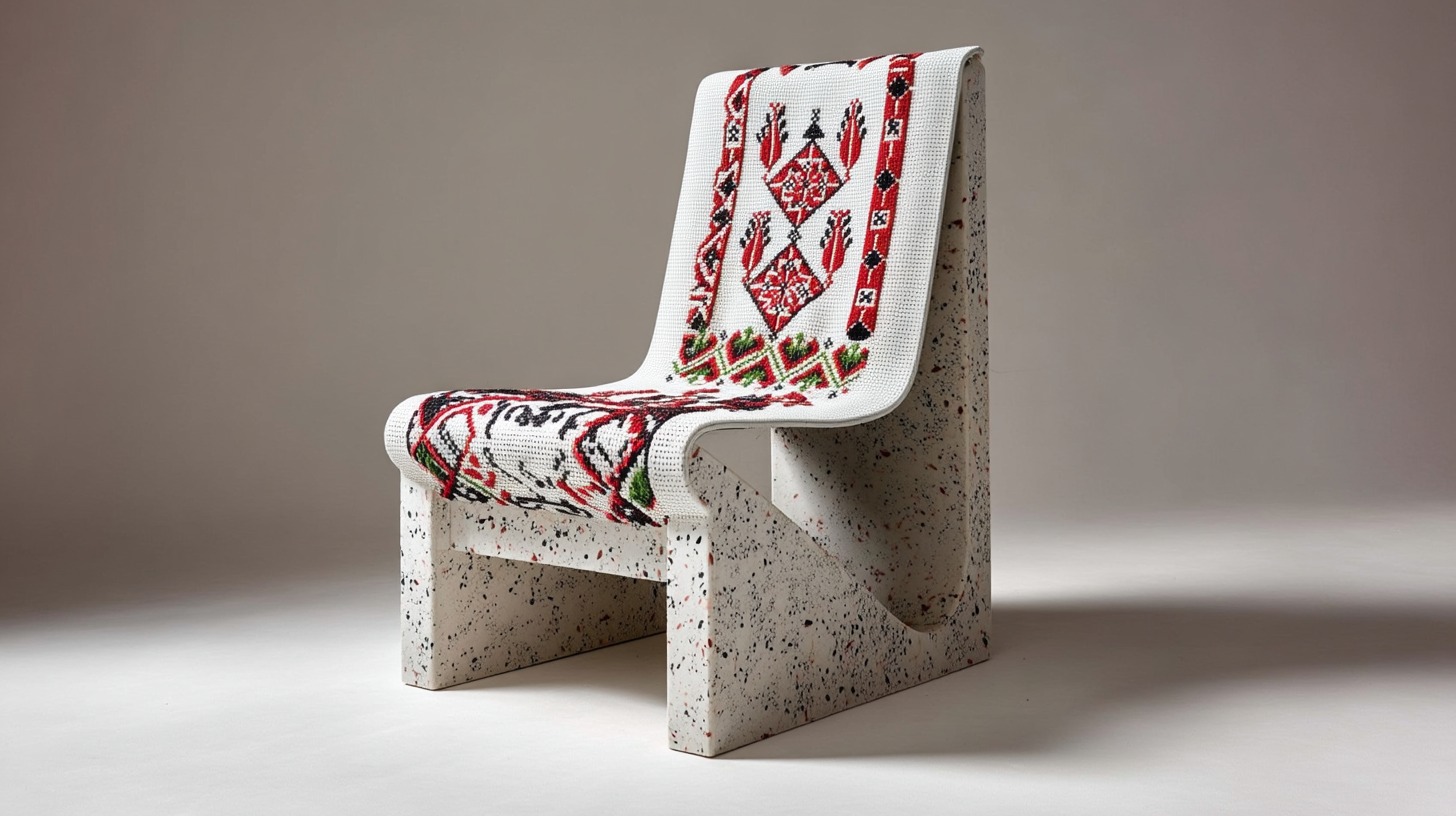
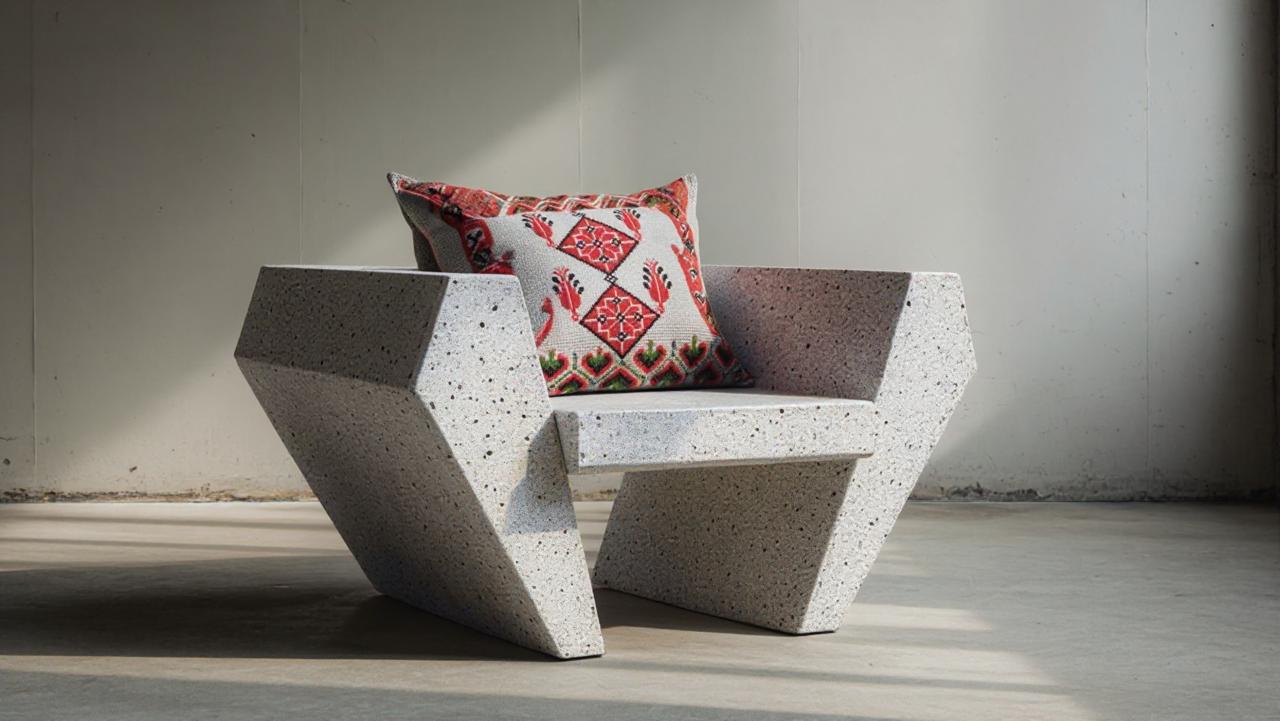
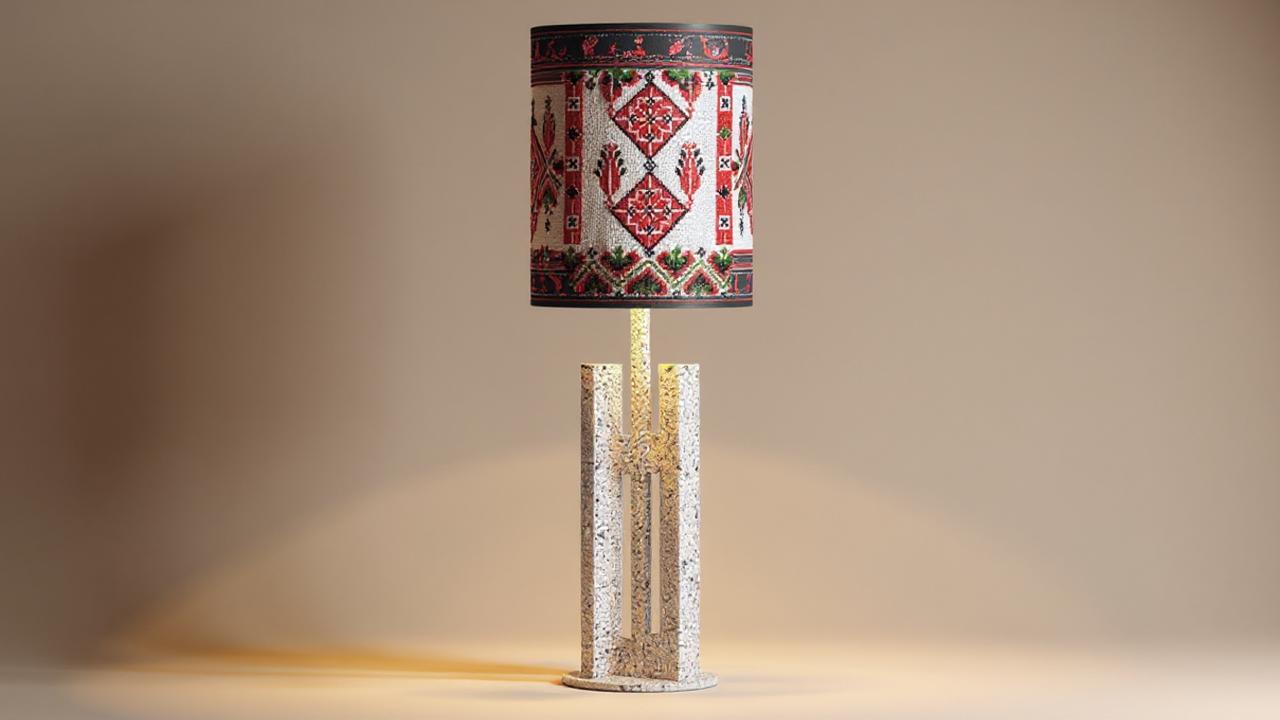
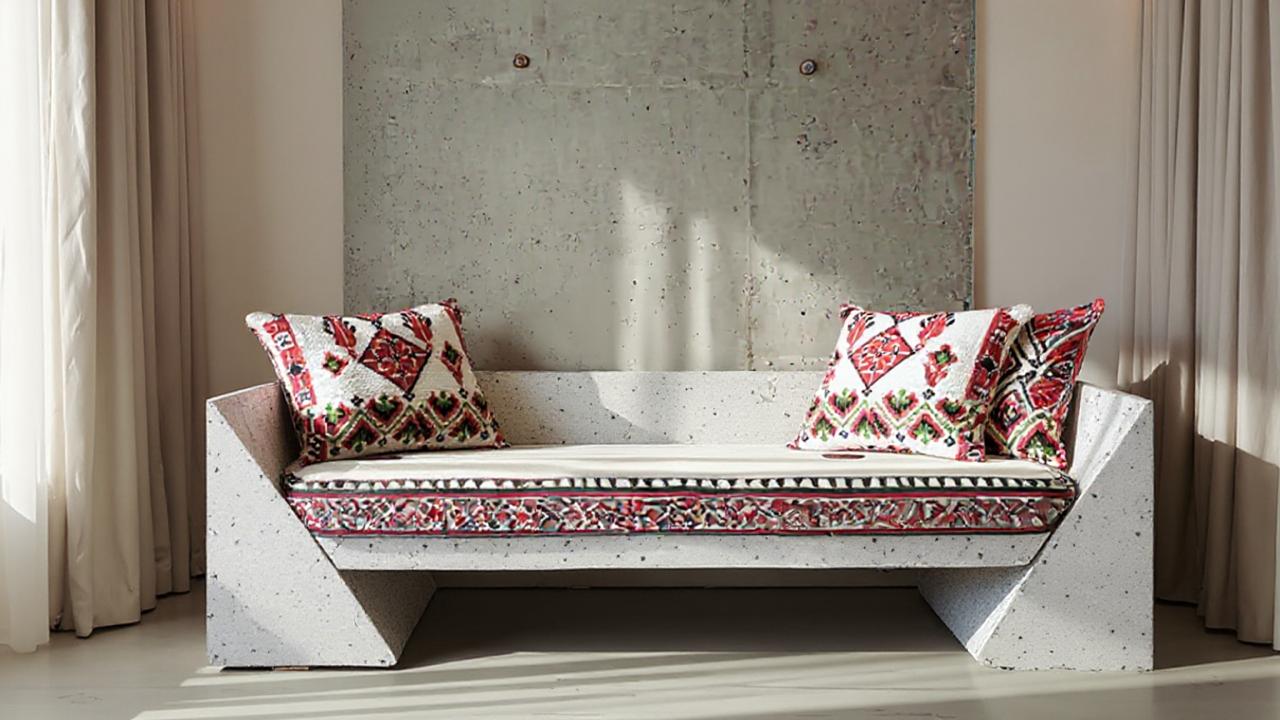
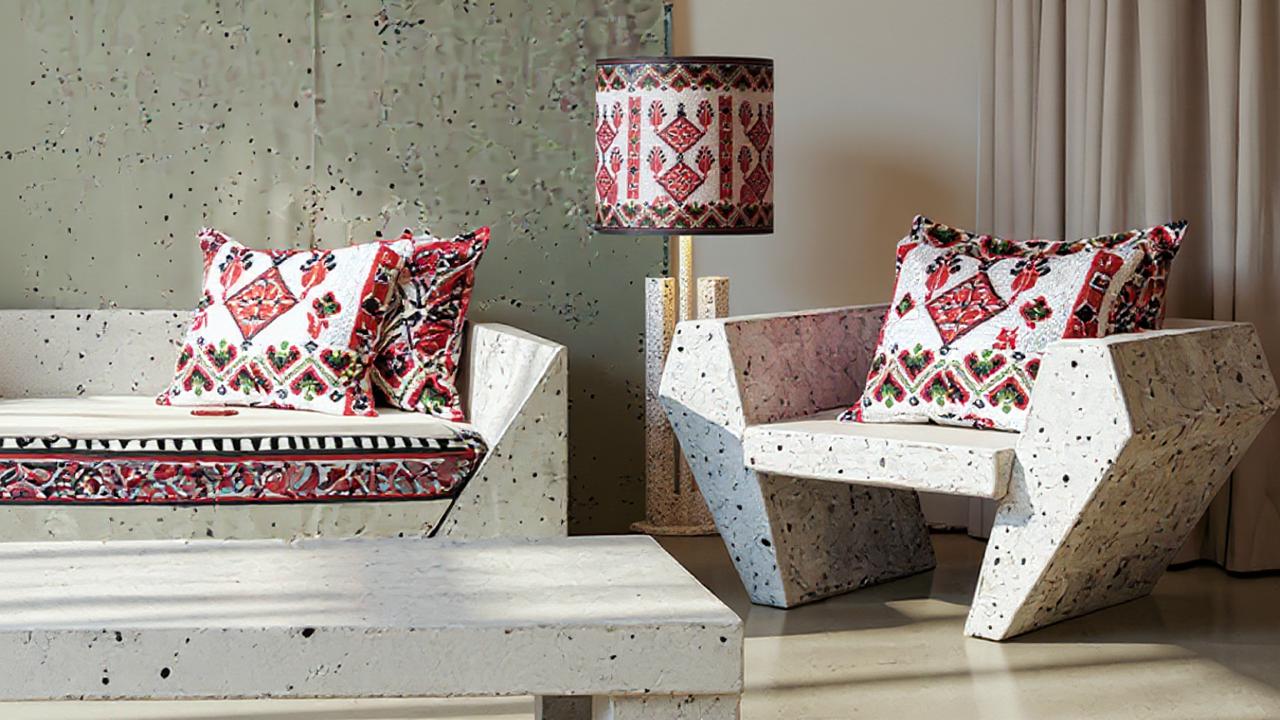
To embody this vision, terrazzo was chosen as the grounding material. Formed from fragments that come together into a unified whole, terrazzo reflects a culture scattered yet unbroken, fragmented yet strong. It becomes the foundation of Athar, a surface where life is lived and heritage endures.
Upon this foundation rests tatreez the embroidery of generations. Each motif is a vessel of story, symbol, and resilience. In Athar, tatreez transcends fabric; it is etched into surfaces, carved into structures, and embedded within furniture and interior design. It becomes a language of form and space, carrying memory from hand to home.
Athar seeks to weave the spirit of Palestinian heritage into furniture and interior design. Chairs, tables, and rooms become visual stories contemporary spaces that preserve memory and culture while speaking with modern clarity.
This is more than design; it is a dialogue between past and present, tradition and modernity, exile and belonging. Through every fragment of terrazzo and every motif of tatreez, Athar whispers: Palestine is not absent. It is here alive in the details, alive in us, alive in the homes we create.
